


Common area restoration
Years without upkeep, a failing provider, building works in the block: when the common areas have slipped, a weekly visit will not fix it. It takes one heavy intervention that resets the counters.
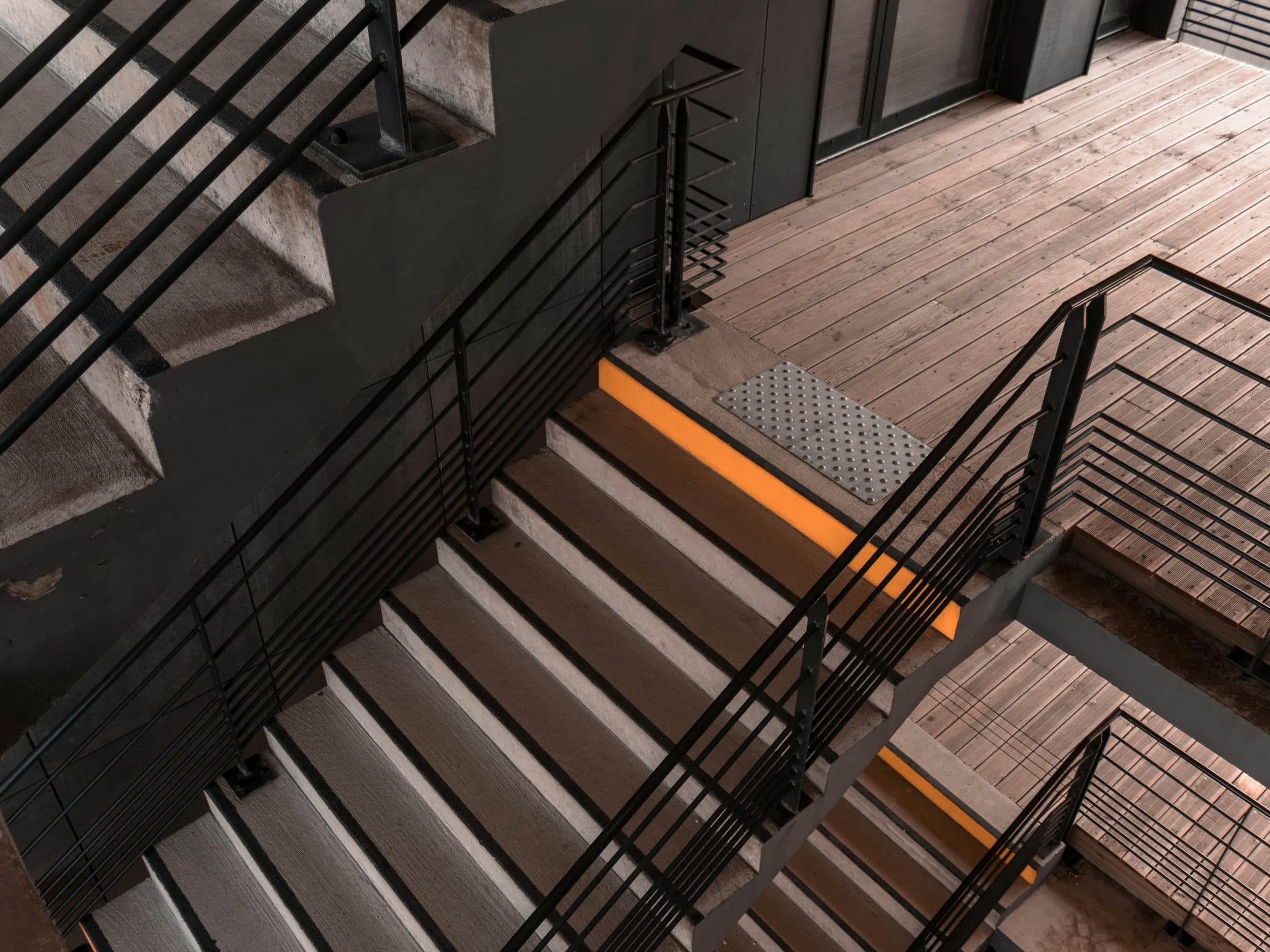
The intervention
Take everything back, once and properly
The intervention treats what routine visits never touch: floors stripped then protected according to their nature — tiles, stone, resilient floors —, walls and skirting washed down, rails and joinery degreased, light fittings dedusted, common-area windows done on both sides, cobwebs removed up to the highest stairwells.
The black spots get their treatment: shared sanitary fittings descaled, infiltration marks cleaned, stickers and residues scraped off, odours dealt with. In the end the building does not look "cleaned": it looks maintained — a different thing, visible from the doorway.
It is also the best opening move before a contract: we price the reset and the routine upkeep as two separate lines, so the general meeting votes with full knowledge.
Requests most often come from managing agents taking over a building neglected by the previous manager, residents' councils preparing a general meeting, or landlords before letting or selling several units. In every case the visit starts with a survey of the common areas, with photos, which will serve as a point of comparison once the job is done.
The quote is a fixed price, task by task, with an intervention date announced to residents by notice. We work on weekdays as well as Saturdays, within a thirty-kilometre circle around Nîmes, and the team brings the equipment and products suited to each surface.
Resets: what boards ask
An average stairwell takes one to two days, without blocking residents: we work half-landing by half-landing, with wet-floor signage.
Give your building a sound base again
Photos or a visit: we price the reset and, if you wish, what follows.