



Wet & dry soft blasting
Some supports do not forgive the jet: soft stone, brick, wood, old renders. Soft blasting projects a very fine abrasive at low pressure — it erases the grime and leaves the material.
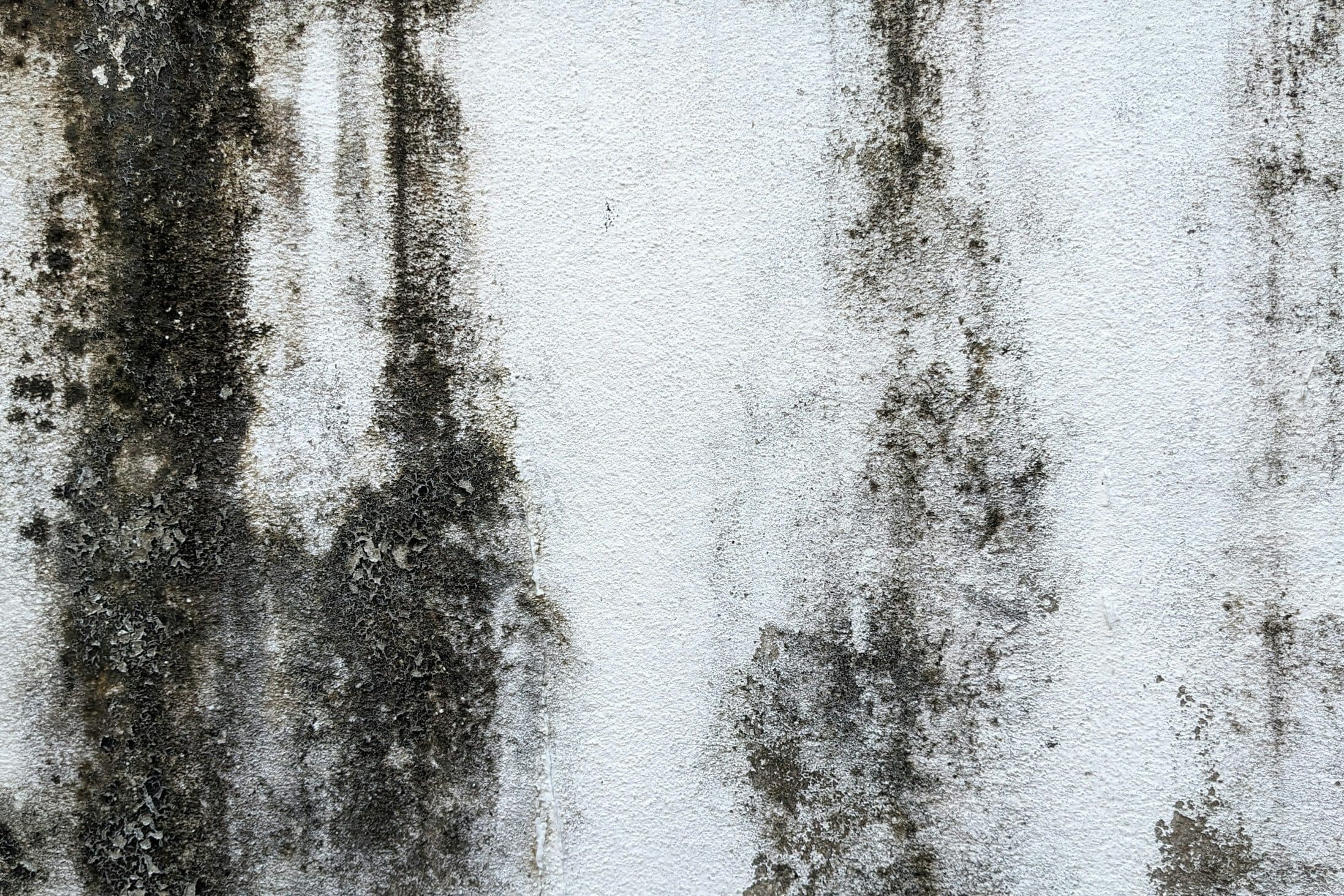
The principle
Blast the dirt, not the surface
The principle rests on three settings: a very fine granulate — calcite or equivalent —, a low projection pressure, and a veil of water for the wet version, which traps the dust; the dry version serves where water is forbidden. The result: the layer of grime departs, the grain of the support stays.
It is the technique for materials with a history: limestone frames and walls — the stone of the mas and Nîmes facades —, brick, shutter or frame wood, ironwork to be de-rusted before painting, graffiti on porous supports where a jet would only smear.
Every job opens with a test window on a discreet zone: it fixes the setting and shows you the exact finish before committing the whole facade. Area sheeted, granulate recovered, neighbours warned — gentle on the support does not mean untidy.
Soft blasting: what we get asked
Violence: traditional sandblasting gouges and whitens, soft blasting works at far lower pressure with a finer abrasive. On soft stone the difference is visible to the naked eye — and irreversible in the wrong direction.
The gentleness that strips
Support, surface, photos: the discreet test zone is scheduled with the visit.