


Verandas, glass roofs & bays
A veranda holds its roof up to the sky: mistral sand, pollen, droppings and rain bake into a crust. When the light stops coming through, the favourite room of the house becomes the saddest — and it is reversible.
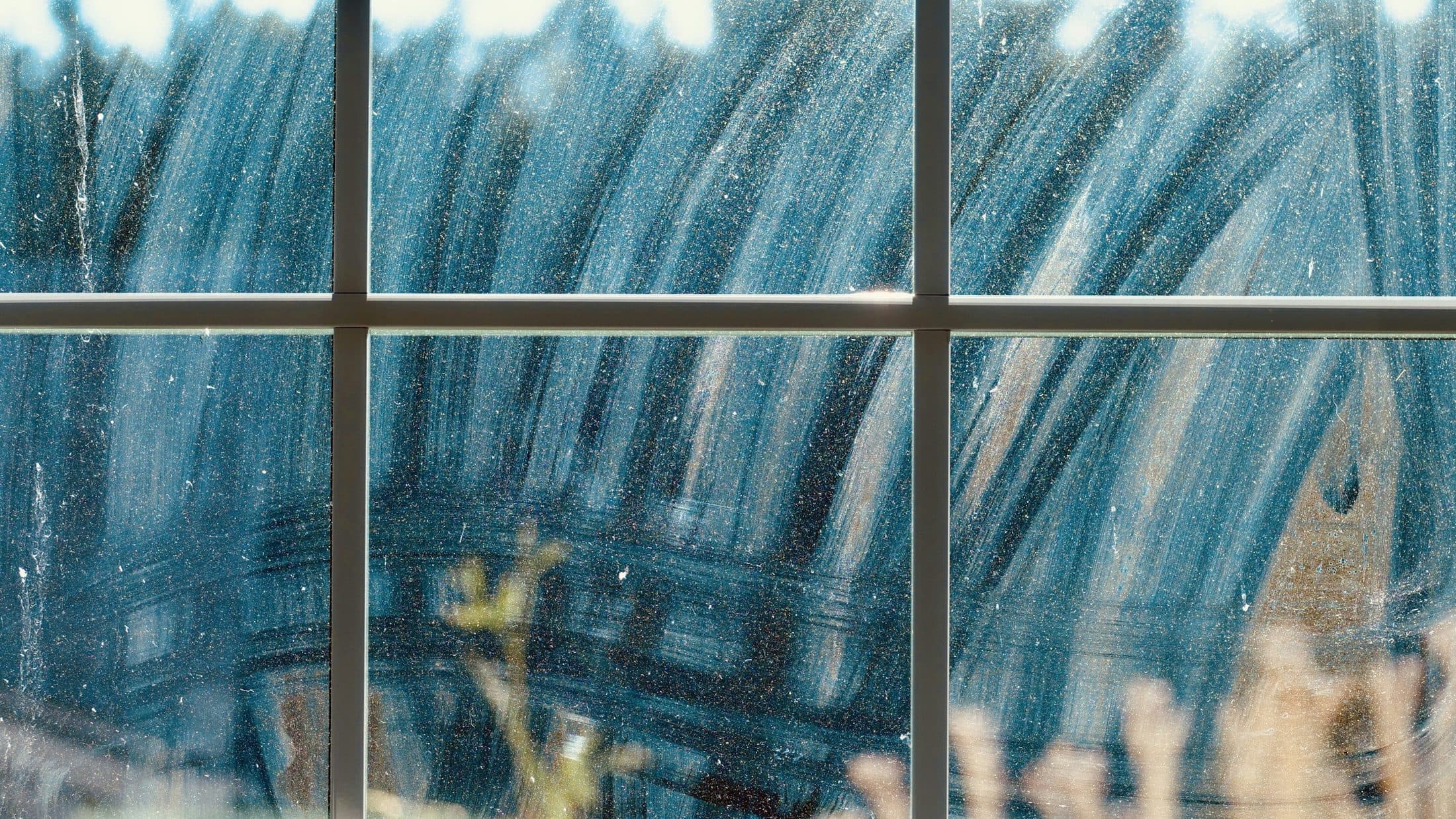
Roof included
The glazed roof first, the walls after
The glazed roof is treated from outside, with a telescopic pole or from secured access, never stepping on the panels: moss and deposits lifted gently, generous rinsing, the veranda's own gutters cleared along the way — an overflowing veranda decays through its structure.
The walls follow, inside and out: glazing, aluminium or wooden frame wiped, seals checked, bay tracks vacuumed. Polycarbonate, more fragile than glass, imposes neutral products and pressure-free strokes — knowing that avoids irreversible white hazing.
The same know-how covers workshop-style glass partitions, skylights and the large fixed bays of contemporary houses. An annual or twice-yearly visit keeps it all luminous; a catch-up after years of neglect is also possible, with often spectacular results.
Requests mostly come from homeowners with a conservatory or a house with large picture windows, but also from restaurants with a covered terrace, shops under a glass roof and condominiums with skylights in the common areas. In every case, access to the roof dictates the method: the visit is first and foremost there to check it.
The price is a fixed rate based on glazed area, material — glass or polycarbonate — and difficulty of access. The service can be combined with the house's window cleaning and blind cleaning in a single planned visit.
Verandas: legitimate worries
We never walk on a veranda roof — neither glass nor polycarbonate is made for it. Everything is done by pole, ladder or from the surrounding access points.
Give your veranda its sky back
Floor area, roof material, access: three answers and the quote lands.