



Mould, damp & saltpetre
Black spots on the bathroom ceiling, halos behind the wardrobe, white powder at the wall base: the building tells its dampness. Treating it on the surface without understanding its cause means watching it return.
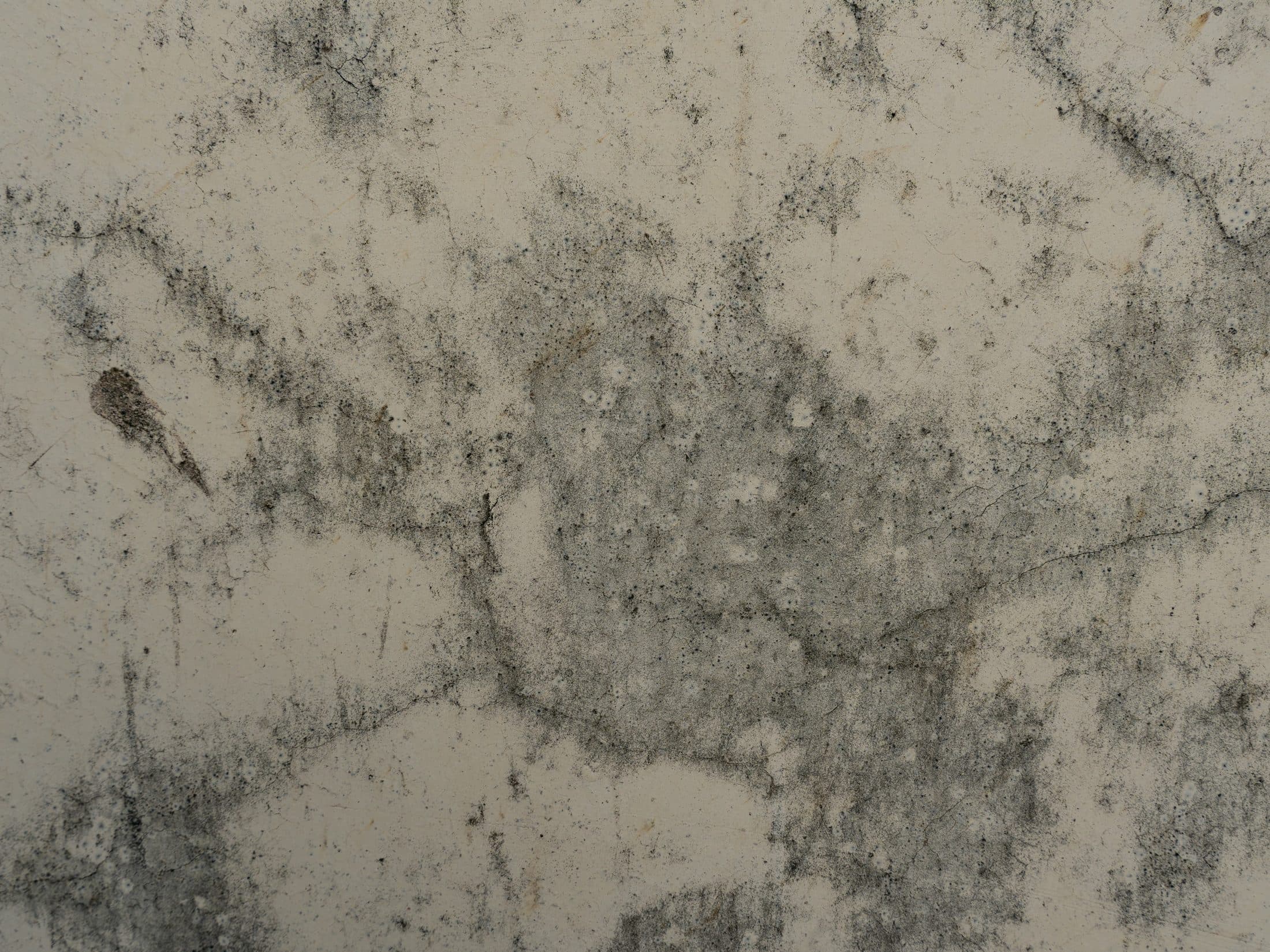
Treat and understand
The fungicide settles the effect, the diagnosis settles the cause
The treatment itself is rigorous: never dry brushing that scatters the spores, but a fungicidal application that neutralises them in place, removal of the colonies, rinsing and — on marked supports — a second preventive pass. Textiles and joints too far gone are replaced rather than whitened for the photo.
Saltpetre is no fungus: those white crystals signal rising damp carrying salts up from the ground. We remove them mechanically and make the surface sound, but the wall stays loaded as long as the cause — rising damp, a leak, condensation — is untreated on the building side.
That is why every job ends with a usage diagnosis: where does the water come from — condensation from weak ventilation, a thermal bridge, infiltration? We fix what belongs to maintenance — a clogged extractor, say — and name what belongs to building work, without selling one for the other.
Mould: health and building questions
It can be, especially for asthmatic, allergic or fragile people: spores are breathed in. A visible colony deserves treatment without delay — and an affected child's bedroom goes first.
Sound walls, lastingly
Photos of the affected zones and the building's age: the diagnosis starts at first contact.