



Cleaning after a pest infestation
The treatment eliminated the rodents or insects — but their traces remain: droppings, nests, odours, carcasses in the recesses. As long as they are there, the premises are neither sound nor reassuring.
Why it is a trade
Droppings are not swept up
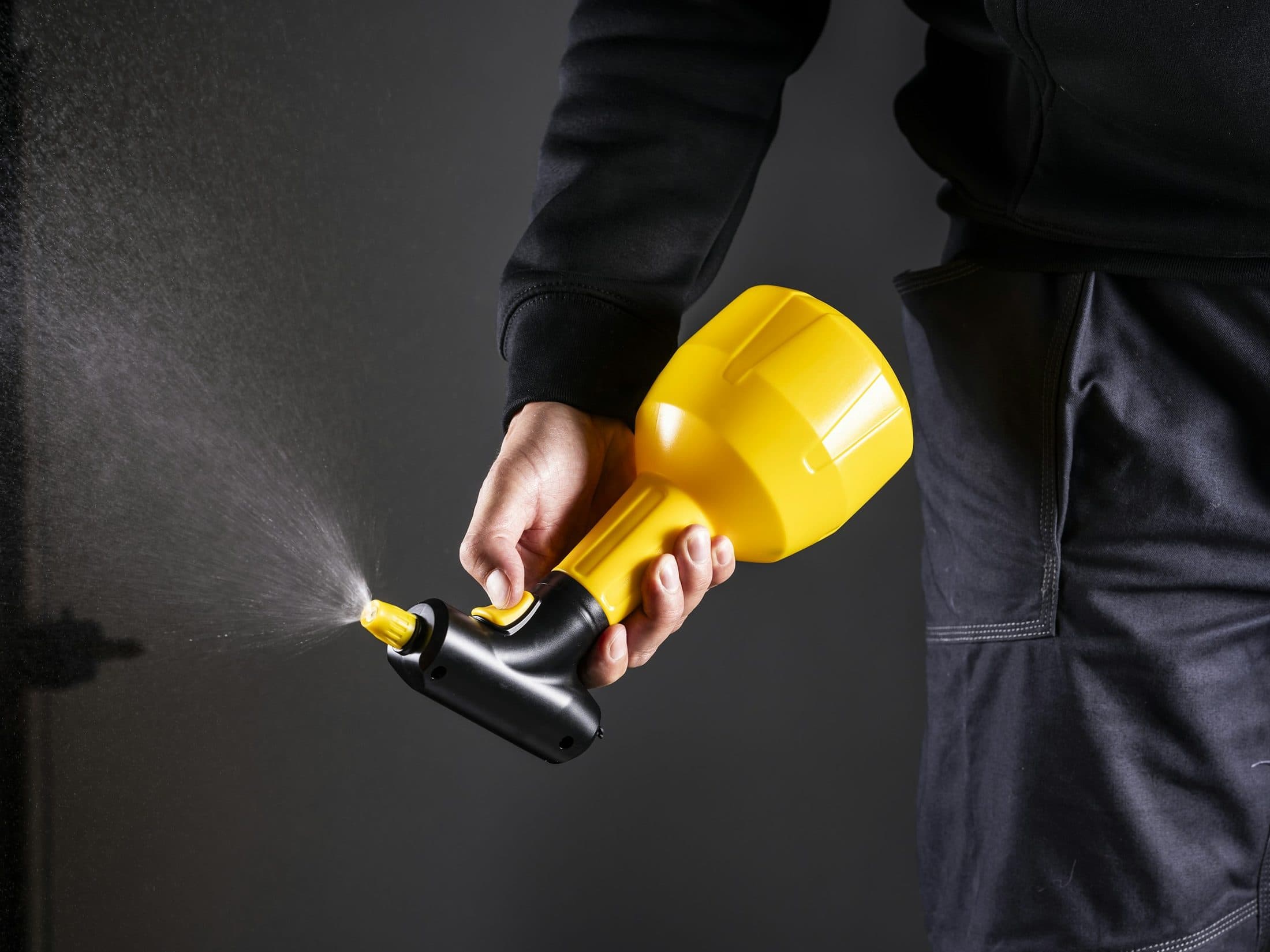
Rodent droppings are handled with caution: never a household vacuum or dry sweeping, which resuspend potentially pathogenic particles. We dampen with disinfectant, collect in sealed bags, then disinfect the transit surfaces — skirting boards, ducts, furniture tops, food storage.
Nests — rodents, pigeons in the attic, insects — are removed with their materials, and carcasses hunted down into the false ceilings: they are often what explains the smell that persists after a successful treatment.
The intervention slots in after the pest controller's visit — ours if applicable — and the report notes the entry points observed, so re-infestation is not on the agenda. Professional kitchens and stockrooms get a reinforced protocol.
After infestation: real worries
The risk exists — precisely why the protocol forbids dry handling and requires prior disinfection, gloves and filtration. Delegating this gesture is not comfort, it is prevention.
Close the pest chapter
Tell us what was treated and when: we time the cleaning to the right moment.