


Diogenes syndrome: giving the home back to life
Behind the accumulation there is a person — often a parent, a neighbour someone loves. Our job is not to judge: it is to sort, empty, sanitise, and hand back a home where life can resume.
Step by step
Sort first, discard second, sanitise last
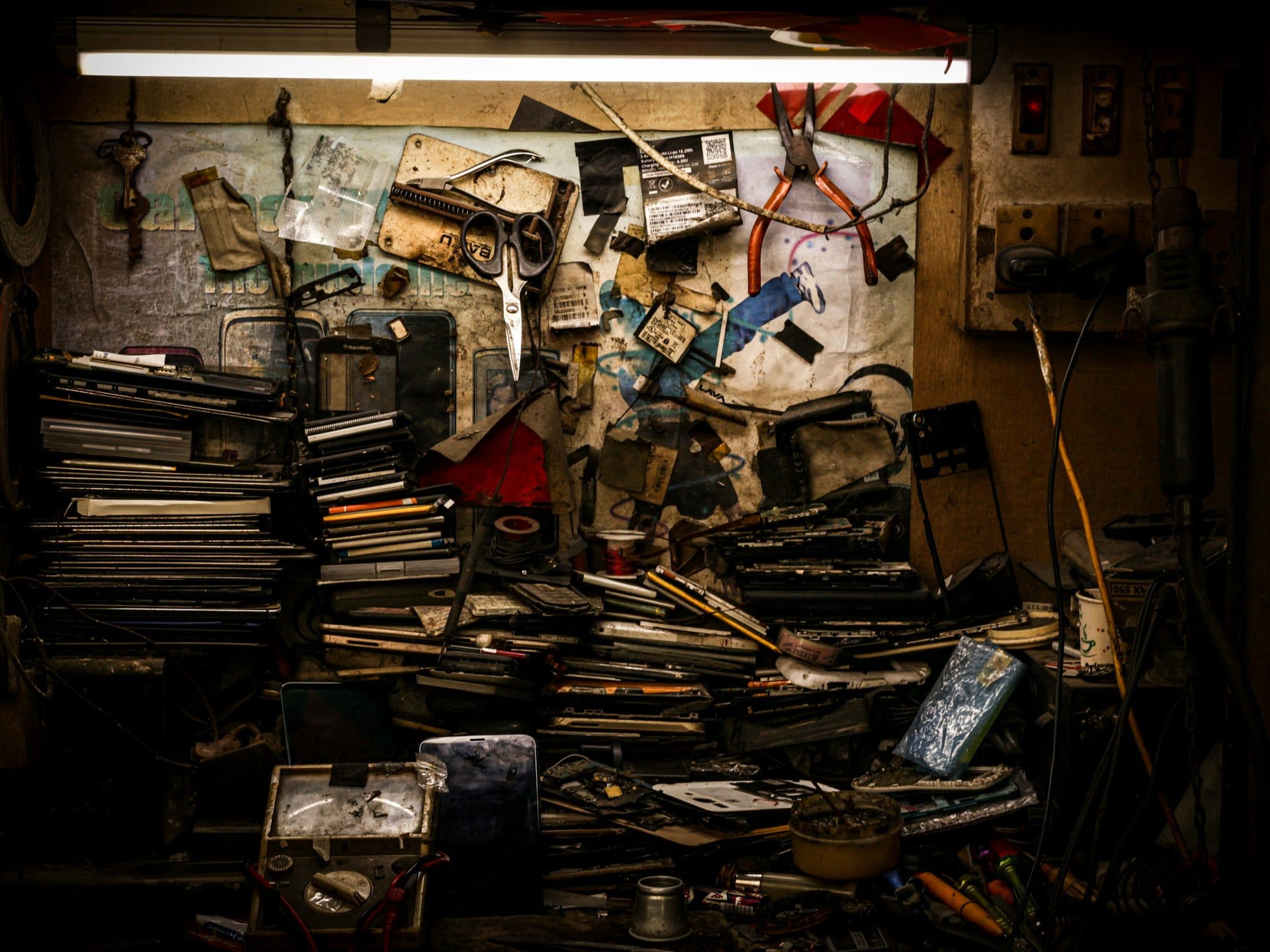
It all starts with the sorting, and it is never rushed: identity papers, money, jewellery, photographs and keepsakes are searched for and set aside following the family's or guardian's instructions. A life does not go into a skip — it gets sorted, then what must go goes, through the right waste channels.
Then the decontamination: surfaces cleared then washed and disinfected room by room, pests reported and treated if the accumulation brought them in, odours treated in depth — see our dedicated treatment. The home gets its floors, walls and air back.
Restoration closes the job, from the final deep clean to the small extras useful before re-occupation or re-letting. Depending on the case, we coordinate with the family, the guardian, the landlord or social services — each in their place, without exposing the person.
Requests come from families, guardians and curators, social or private landlords, managing agents alerted by neighbours, and sometimes the social services supporting the person. A first phone conversation, in complete confidentiality, helps us understand the situation; the free assessment visit then sets the volume to sort, the number of workers and the timetable, anywhere in the Nîmes area.
Hoarding: families' questions
When possible, their part in the sorting — even symbolic — helps the intervention be accepted rather than endured. We adapt to what the family and carers judge bearable.
The first call is the hardest
After that, everything becomes a sequence of ordered steps. We know them all.