



Odour treatment & deodorising
Cold tobacco, animals, damp, frying, disaster: some odours survive the best of cleanings because they live inside the materials. We do not mask them — we destroy them.
The method
Treat the material, then treat the air
A settled odour always has a reservoir: the greasy tobacco film on walls and ceilings, urine in a screed or parquet, damp in the plaster. The first step neutralises it at the source — degreasing wash-down, enzymatic destroyers on organic soakings, drying of damp supports. Without that, any air treatment lasts only days.
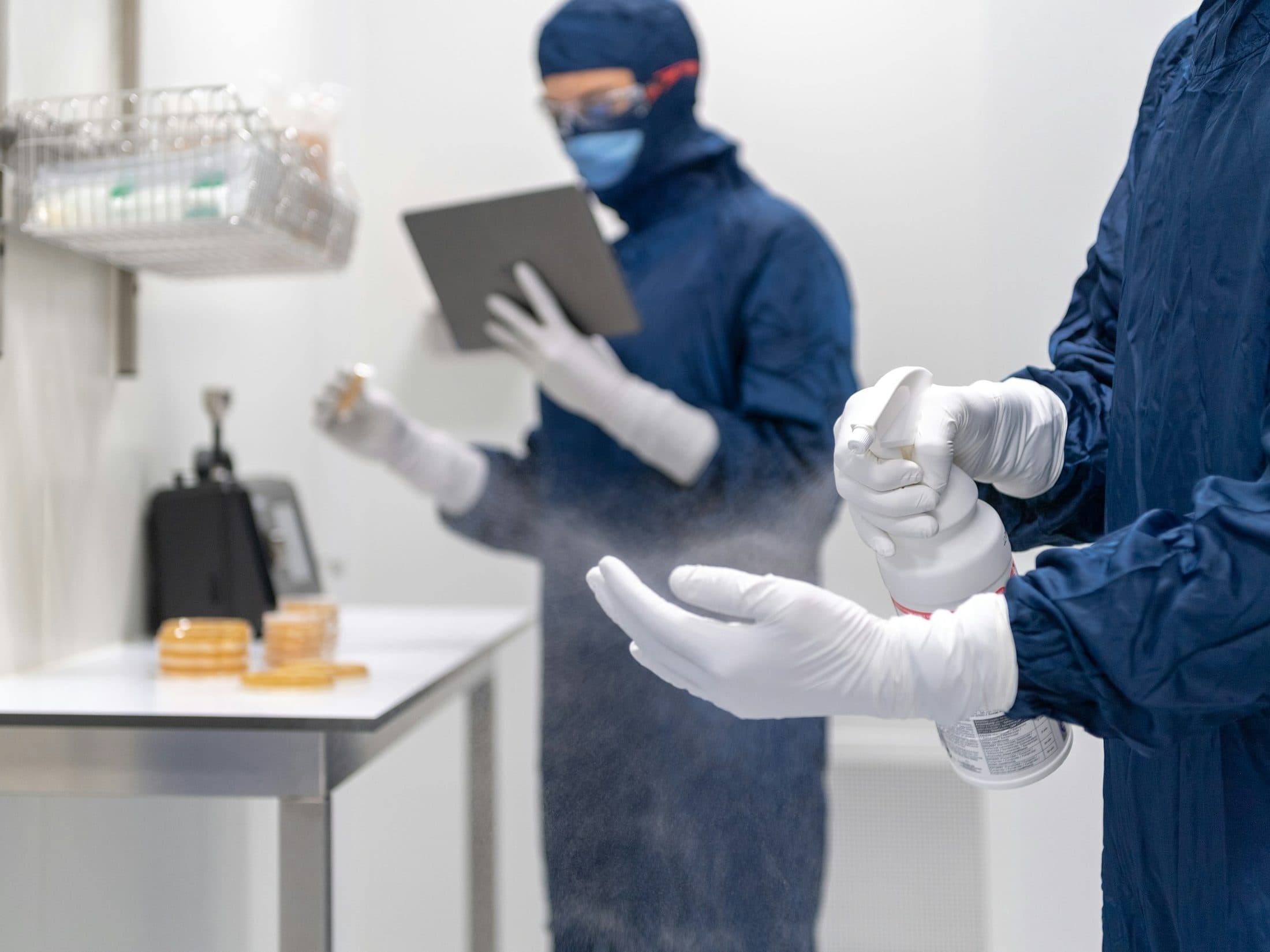
The second step treats the air and unreachable surfaces by fogging or ozone generation, run with the premises empty and then long aired, under a strict protocol: these techniques work precisely because they are not handled lightly.
The result is judged simply: on returning, there is no smell — neither the odour nor the product meant to cover it. It is the natural final step of our hoarding, after-death and post-disaster jobs, and a service in its own right for a smoker's home before re-letting.
Odours: cases we are given
Yes, if the reservoir is treated: full wash-down of the walls, textiles removed or laundered, then air treatment. If the walls stay deeply yellowed, an isolating primer is added before paint — we tell you upfront.
Breathe: it can be treated
Describe the odour, its age, the affected rooms: the protocol is set on site.