



Cleaning & recovery after a disaster
After fire or water, two urgencies overlap: stopping the degradation that continues — soot that corrodes, damp that moulds — and building the insurance file. We run both at once.
The right order
After a disaster, the order of moves counts double
A disaster keeps damaging after it has stopped: acid soot attacks metals and plastics within days, standing water feeds mould within 48 hours. Acting fast is not a sales pitch — it is what separates a cleaning job from a demolition.
But fast does not mean sloppy: nothing is discarded or cleaned before the photographic record, and the moves follow the order that preserves — secure, stop the degradation, make sound, then restore. Each page in this family details its protocol.
Your insurer is a player on the job: itemised quotes, dated photos, exchanges with the adjuster if you authorise us. The insurance liaison page explains that workflow, honed on Nîmes claims — Cévennes storm episodes included.
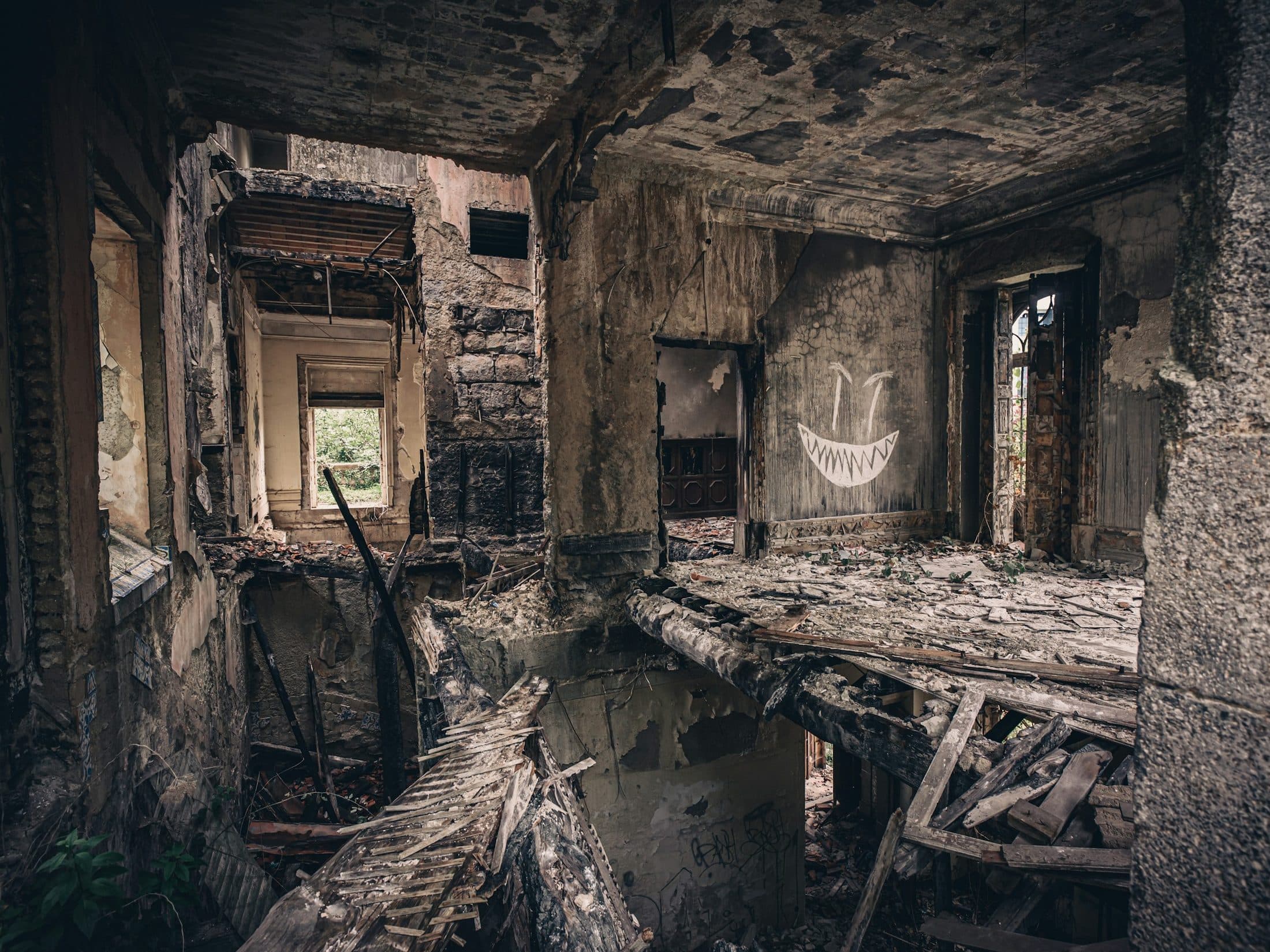
From fire to damp
Disasters: the first reflexes
Not for conservation measures — stopping the water, airing, protecting — which policies encourage; yes before discarding or transforming anything. We document everything before acting, precisely so the assessment keeps its substance.
The disaster is over; let's limit its aftermath
Call right away: the first instructions are given over the phone, free of charge.